

By Diana Fletcher, International Banker
If you are driven by wanderlust any season of the year, the land of fire and ice is beckoning you as you plan your winter adventure. This Nordic island country (just slightly larger than Hungary and Portugal) on the Mid-Atlantic Ridge is home to some of Europe’s largest glaciers and most active volcanoes. The outdoor enthusiast will not lack opportunities to take on Iceland’s mountains, caves, glaciers, rivers and lakes—whether by snowmobiling, horseback riding, cave exploring or ice climbing.
Winter begins in November and lasts into April, so tourists planning an Iceland winter vacation have plenty of leeway. Although Iceland’s name suggests a harsh climate, this isn’t the case, as a branch of the Gulf current brings warmer seas up to the coasts. With its winter temperature averages ranging from 0 degrees Celsius (32 degrees Fahrenheit) in the south to minus-10 degrees Celsius (14 degrees Fahrenheit) in the north, it is milder than a few other Northern Hemisphere countries. What it does have is short daytime hours, especially from mid-December to mid-January, so visitors must make good use of daylight after the sun rises in late morning and sets four or five hours later. Nighttime brings ethereal performances by the northern lights (aurora borealis), with their bright red, green, blue and purple streaks shooting across the dark skies.
Most travellers to Iceland arrive via plane, although the Norröna ferry from Denmark visits Seyðisfjørður in the Eastern Region (the schedule depends on the time of year). Flights arrive at Keflavík International Airport (KEF), about 50 kilometres (30 miles) southwest of the capital city, Reykjavík—which has the distinction of being the world’s most northerly capital city. Icelandic weather, especially during the winter, can bring extreme, often unexpected weather events, so tourists should be prepared for any eventuality if they are travelling the roads independently and consult websites such as www.safetravel.is for updates. The 1,330-kilometre (830-mile) Route 1, known as the Ring Road, is the most popular route.
Although Icelandic is the island’s national language, English is spoken widely. With a population of less than 400,000, visitors will find Icelanders tight-knit but welcoming.
If you relish the idea of retreating to a luxurious resort nestled amidst stunning ice-coated landscapes, let’s look at a few options.
The Retreat at Blue Lagoon Iceland, Grindavik
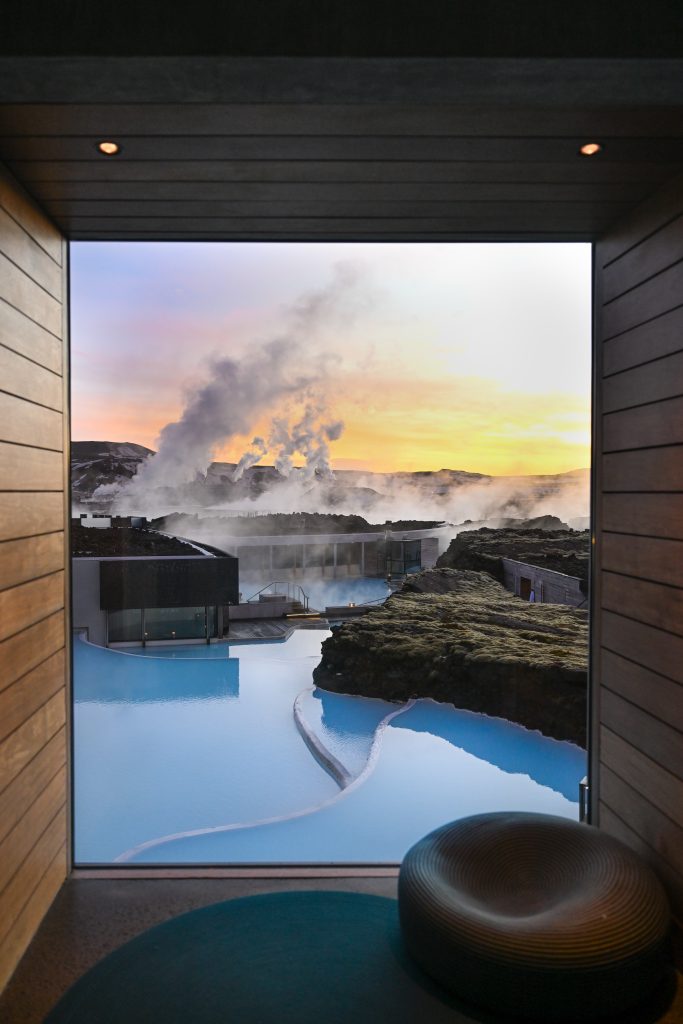
Indoor View of the Lagoon © Blue Lagoon Iceland
Travellers arriving by plane won’t have far to look for that luxurious resort. Approximately a 20-minute drive from the airport, the Retreat at Blue Lagoon Iceland offers luxury stays at its four-star, 35-room Silica Hotel and five-star, 60-suite Retreat Hotel.
The Blue Lagoon, a geothermal seawater spa (70 percent ocean water and 30 percent freshwater enriched with minerals such as silica and sulphur) that has been recognised as one of Earth’s natural wonders and most effective sources of natural healing, attracts visitors from around the world to its milky blue waters surrounded by a breathtaking volcanic landscape. The lagoon is particularly enticing during the winter when the warm water contrasts with the chilly air. Silica Hotel is an easy 10-minute walk from the Blue Lagoon but also offers a private bathing lagoon and verandas with clear views of the surrounding fields. The Retreat Hotel boasts a private lagoon and a subterranean spa. Guests will not regret dining in the resort’s Michelin-starred Moss Restaurant, which entails seven courses of Islandic gastronomic treasures. Not surprisingly, fish features prominently on most Islandic menus. Hákarl, fermented shark, is one such national dish.
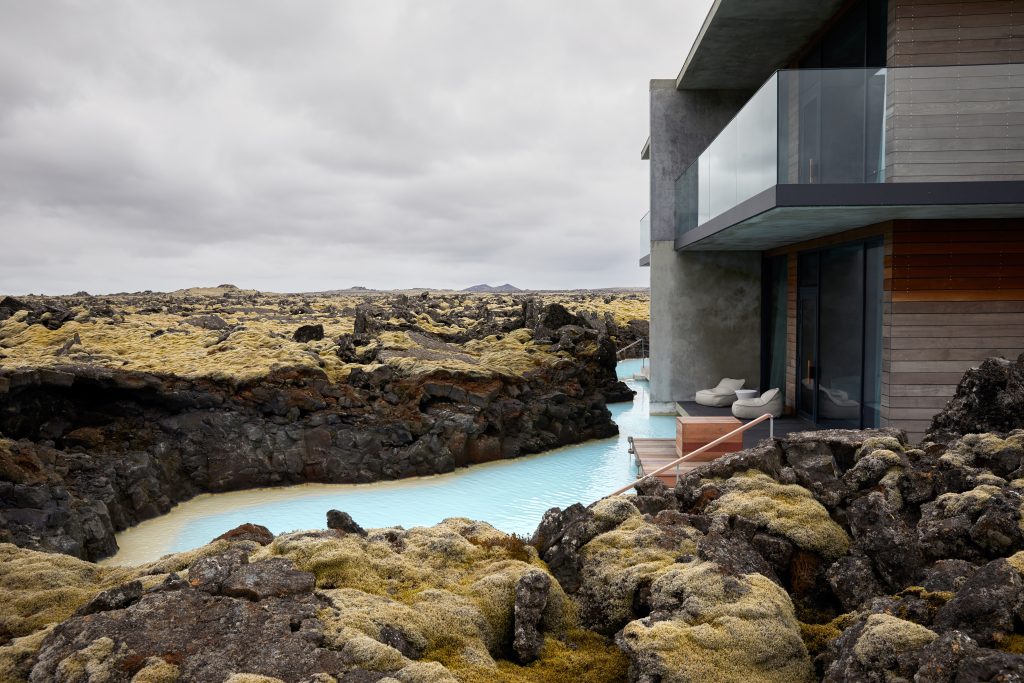
Lagoon Suite © Blue Lagoon Iceland
The Reykjanes Peninsula, on which the resort is located, is famous for its geothermal wonders. On the Bridge Between Continents at Sandvík, visitors can stand between the North American and Eurasian tectonic plates. The peninsula is also known for its volcanic activity, which was recently resurrected after nearly a millennium of dormancy, especially in the Fagradalsfjall region, rendering it attractive to adventure seekers.
Fosshotel Glacier Lagoon, Hnappavellir
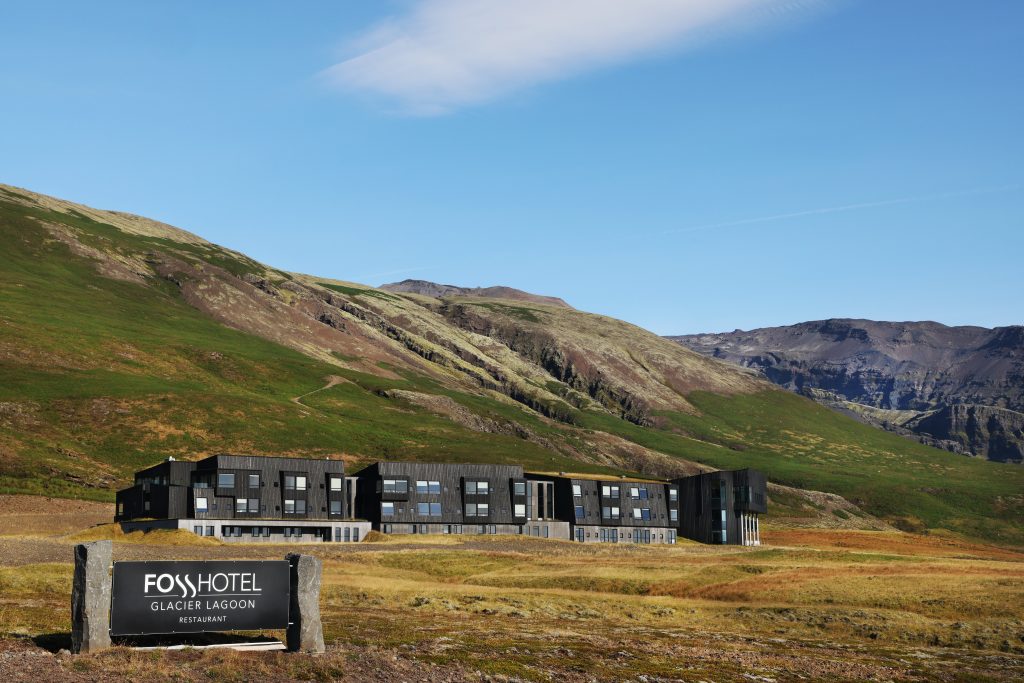
Hotel Exterior © Fosshotel Glacier Lagoon
In the southeast region, the 125-room, four-star Fosshotel Glacier Lagoon, positioned at the base of Hvannadalshnúkur (Iceland’s most elevated peak), is well placed to check out the must-see spots on Iceland’s south coast. The nearby Skaftafell National Park (part of Vatnajökull National Park, another UNESCO World Heritage Site) is renowned for its Skaftafellsjökull glacier (an outlet of the enormous Vatnajökull glacier) and Svartifoss waterfall. Not far from the hotel is Jökulsárlón glacier lagoon, Iceland’s deepest lake, flourishing with fish and seals and with access to the Diamond Beach—where the icebergs that fill the Jökulsárlón glacier lagoon wash up on shore, lending the appearance of a diamond-laden beach against the volcanic black sand. Guided ice-cave tours introduce visitors to naturally formed caves with intricate blue-ice formations. Seljalandsfoss and Skógafoss waterfalls are popular draws, as are beaches such as the Reynisfjara and Kirkjufellsfjara black sand beaches, which must be navigated with caution.
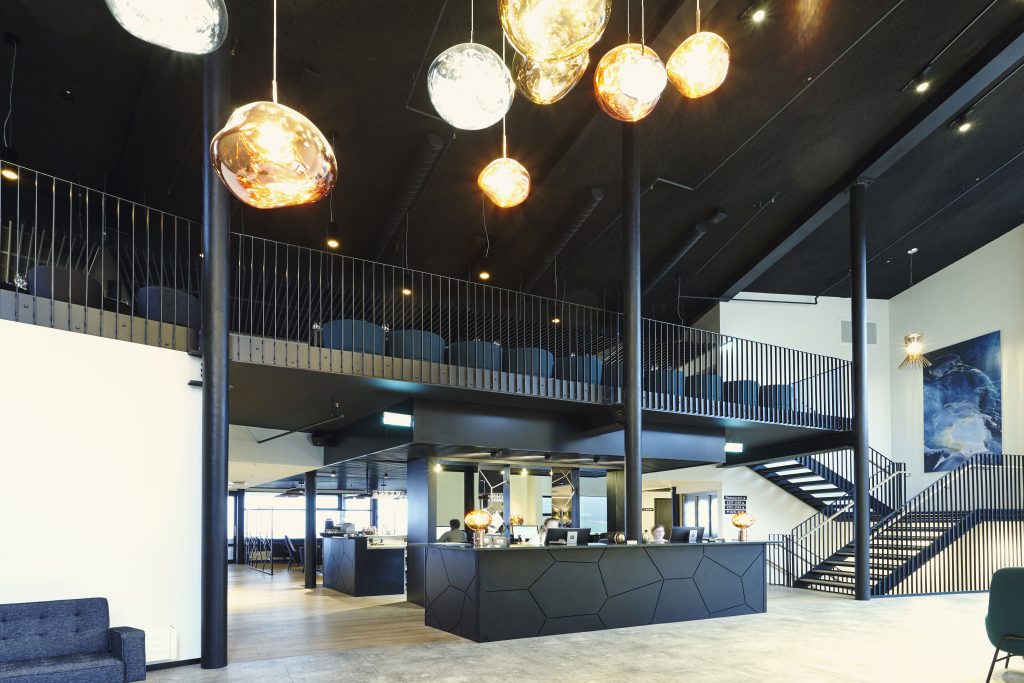
Hotel Interior © Fosshotel Glacier Lagoon
While out hiking or driving, keep an eye out for wildlife. Many of Iceland’s wildlife migrate or hibernate during the winter, but not all. The Arctic fox is the island’s only native terrestrial mammal, but others, such as the Icelandic horse and reindeer, have adapted well to the climate. The gyrfalcon, Iceland’s national bird, may also be spotted.
Hotel Borg by Keahotels, Reykjavík
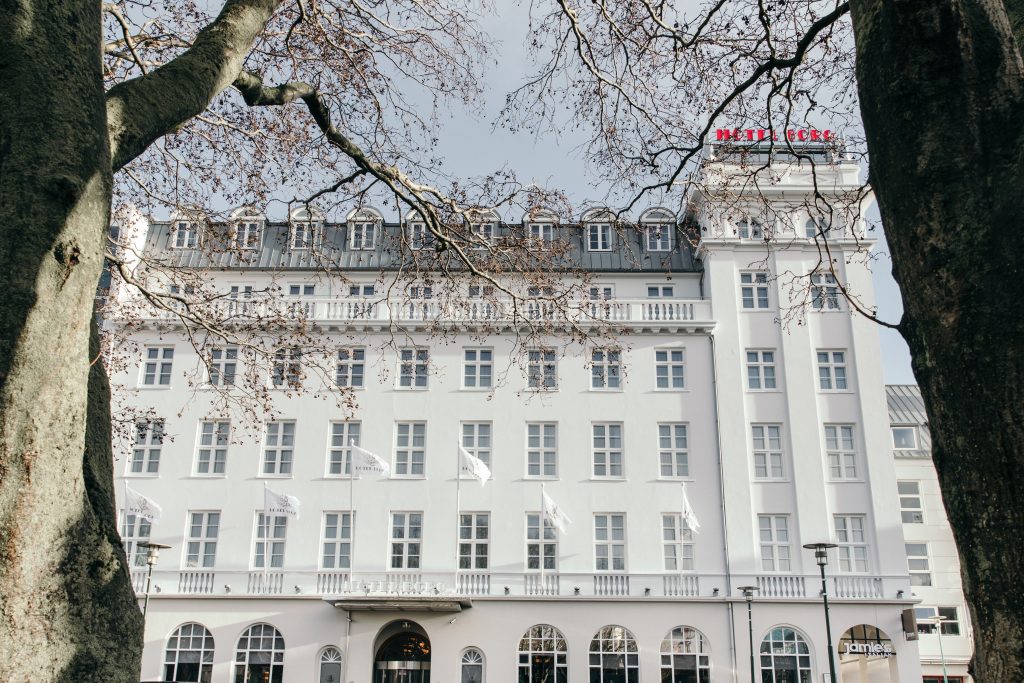
Hotel Exterior © Hotel Borg by Keahotels
Before leaving Iceland, tourists will want to visit the capital city, Reykjavík. The four-star historic Hotel Borg by Keahotels, with its varied selection of 99 rooms and suites, is the perfect choice for those seeking an elegant combination of Art Déco and contemporary styles. Hotel Borg, Iceland’s first deluxe hotel, has fulfilled its reputation for excellent service for nearly a century. The imposing hotel, noted for its elaborate foyer and grand ballroom, overlooks the Austurvöllur square and is across from Alþingishúsið (Parliament House) and the Dómkirkjan cathedral.

Room Interior © Hotel Borg by Keahotels
Iceland’s capital is replete with cultural landmarks, including the Harpa Concert Hall, Reykjavík Maritime Museum, National Gallery of Iceland, Sun Voyager sculpture and Hallgrímskirkja church. If you visit during the Christmas season (jól), take in one of the city’s Christmas markets and try traditional Icelandic foods, such ashangikjöt (smoked lamb) or kleinur (doughnut).
Ion Adventure Hotel, Nesjavellir
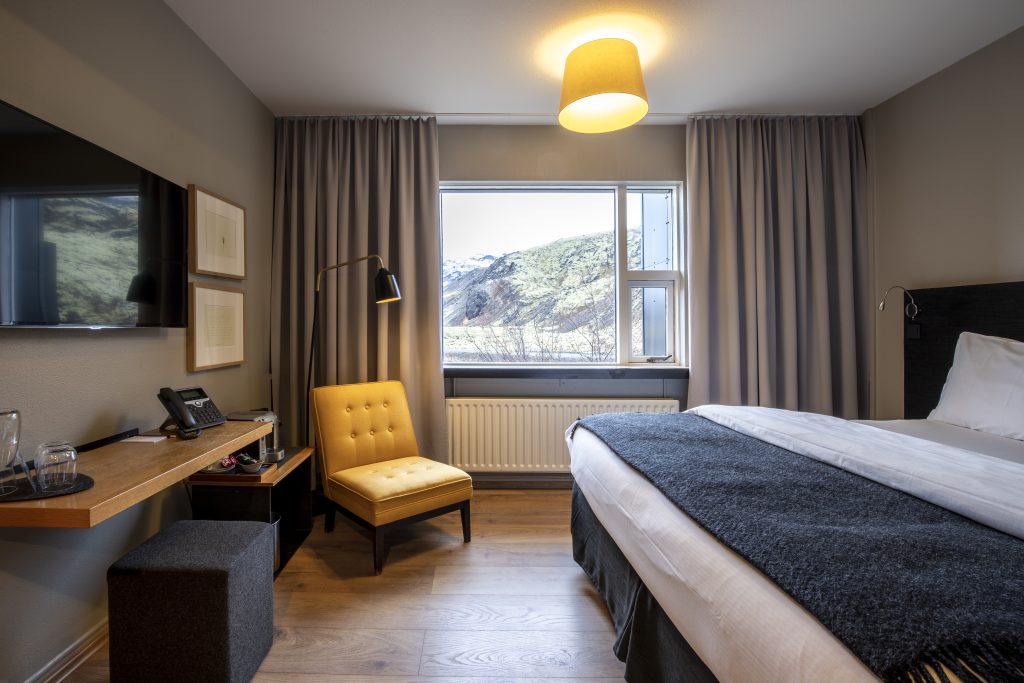
Rom Interior © Ion Adventure Hotel
Ion Adventure Hotel is situated north of the Reykjanes Peninsula at the base of Mount Hengill amongst mountainous lava fields and on the outskirts of Thingvellir (Þingvellir) National Park. This 44-room, ultra-modern luxury hotel offers spectacular views of the northern lights, with some rooms facing nearby Lake Thingvallavatn (Þingvallavatn), Iceland’s largest natural lake. Guests will enjoy the Lava Spa and Silfra Restaurant featuring Nordic specialities.
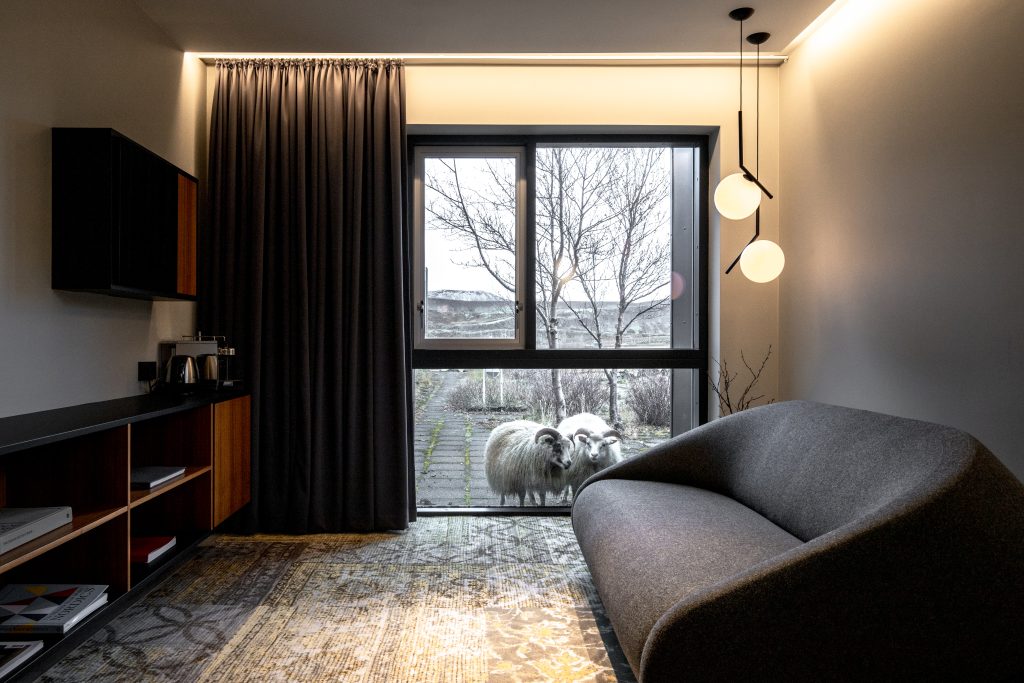
Suite © Ion Adventure Hotel
Iceland is home to three UNESCO (United Nations Educational, Scientific and Cultural Organization) World Heritage Sites, with Thingvellir (Þingvellir) National Park being the first one added. The captivating park, known for the valley formed by the separation of the North American and Eurasian tectonic plates, is a photographer’s paradise. It is part of the 230-kilometre (140-mile) Golden Circle, which also includes the Geysir geothermal area, with its Strokkur geyser erupting in heart-stopping 80-plus-foot demonstrations, and the majestic Gullfoss Waterfall, with its icy elegance on display during the winter. Other popular stops include the Secret Lagoon and Kerid volcanic crater. The area, punctuated by hot springs and mud pools, offers limitless opportunities for exploration.
˜˜˜˜˜
Pack your clothing layers for an amazing winter journey to the land of fire and ice if you’re keen to embrace the chill while enjoying the warmth of Icelandic culture!
Copyright Attributions for Images:
The Retreat at Blue Lagoon Iceland, Grindavik – © Blue Lagoon Iceland
Fosshotel Glacier Lagoon, Hnappavellir – © Fosshotel Glacier Lagoon
Ion Adventure Hotel, Nesjavellir – © Ion Adventure Hotel