
By John Manning, International Banker
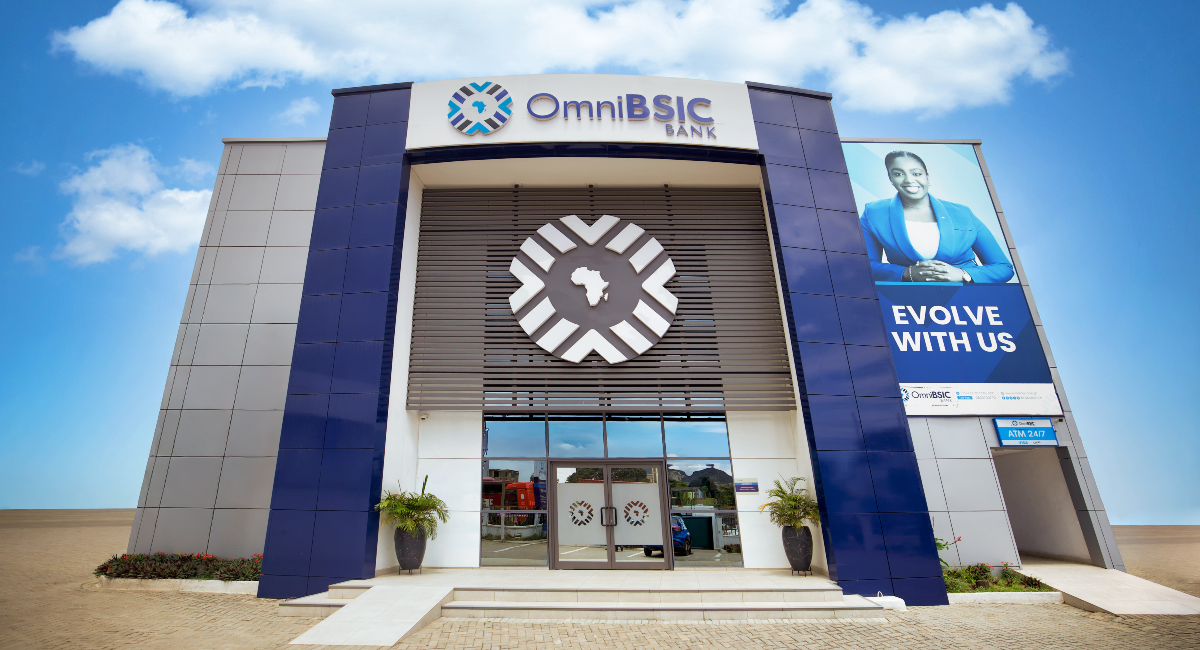
In 2019, OmniBank Ghana Limited and Sahel Sahara Bank (BSIC) Ghana Limited finalised a merger to create an exciting new banking entity, OmniBSIC Bank Ghana LTD, or simply OmniBSIC Bank. Since then, this consolidated financial institution has embarked on a phenomenal growth trajectory, with its stature gaining by leaps and bounds throughout Ghana. OmniBSIC Bank stands today as a true powerhouse in the increasingly competitive Ghanaian banking industry’s landscape, combining unparalleled financial strength and resilience, the highest standards of customer-service excellence and a restless spirit of innovation and digitalisation to deliver a banking brand with an impeccable reputation.
Indeed, a mere glance at the latest financial results underscores the sheer scale of OmniBSIC Bank’s expansion this year. For instance, profit before tax soared by more than 200 percent to GH₵551 million (US$44 million) during the period ended September 2025, while the bank’s net interest income surged by more than 125 percent to almost GH₵1.8 billion. According to the bank, such impressive figures were driven by a combination of strategic growth in earning assets and improved operational efficiency, thanks in part to maintaining a strong cost discipline.
In the case of OmniBSIC Bank, such a vision has largely manifested itself through the launch of a new brand identity, Not Just Another Bank.
More generally, such remarkable growth would be impossible to achieve without establishing a robust strategic vision from the outset. In the case of OmniBSIC Bank, such a vision has largely manifested itself through the launch of a new brand identity, Not Just Another Bank, unveiled at the beginning of the year. The brand seeks to demonstrate that the bank’s unique approach to banking consistently sets it apart from its peers. With a laser focus on delivering tailored, highly personalised financial solutions to each customer, OmniBSIC Bank is unshakeably committed to leveraging digital banking as and when appropriate to most effectively deliver such solutions. The bank’s ability to optimise the customer experience repeatedly underscores why its brand reputation is so highly regarded across Ghana today.
The utilisation of advanced, cutting-edge innovation is most evident in Project 5.0. Launched last year with the strategic goal of OmniBSIC Bank becoming “the Bank of Choice through continuous innovation”, Project 5.0 seeks to establish a culture of continuous innovation within the bank, with the broad goals of transforming the customer experience across all touchpoints, building a competitive advantage for the bank as a result and ultimately revolutionising Ghana’s banking sector.
Project 5.0 encompasses a wide range of the bank’s technological ambitions. The bank’s mobile banking app, for example, receives frequent updates to ensure it remains among the most advanced within the local market. Recent additions to the application include:
-
Transaction-footprint logging system: a proactive feature that continuously monitors and records real-time transaction activities for enhanced transparency and security.
Fixed-deposit management: a management system that enables customers to book, track and manage fixed-deposit investments directly within the app, thereby providing them with convenience and full control.
-
Biometric authentication: a highly secure customer login process with transaction authorisation through fingerprint or facial recognition. This ensures customers can enjoy both the safety and the ease of use offered by the app.
Other Project 5.0 initiatives of note include a major website-enhancement programme, a new pricing framework for the bank’s offerings and braille account packs to boost financial inclusion for its visually impaired customers. Significant internal and operational changes have also been pursued, including key upgrades to the bank’s IT (information technology) infrastructure, the creation of innovation-focused employee teams such as the CX (customer experience) Transformation Team and the availability of continuous upskilling resources to ensure staff remain fully trained amidst the constantly evolving banking environment.
Aware of the urgent need to boost financial inclusion, a sizeable chunk of OmniBSIC Bank’s banking model is dedicated to extending financial services to the population’s unbanked and underbanked segments.
Aware of the urgent need to boost financial inclusion, a sizeable chunk of OmniBSIC Bank’s banking model is dedicated to extending financial services to the population’s unbanked and underbanked segments. Such commitment is perhaps no more clearly exemplified than through the E-zwich card. A payment system introduced by the Ghana Interbank Payment and Settlement Systems (GhIPSS), the E-zwich card enables individuals without traditional bank accounts to access secure financial services.
The card can be used across all banks, including rural banks, and savings and loans institutions in Ghana that are part of the GhIPSS platform, making it a universal card within the ecosystem. Customers can receive salaries, pensions, social transfers (such as Livelihood Empowerment Against Poverty [LEAP] or cocoa payments) and remittances directly onto the card, which itself is usable across the country at numerous participating institutions, thereby not only reducing the need for multiple cards but also lessening the risks of carrying and handling physical cash.
To bolster security, the card employs biometric authentication by storing the cardholder’s fingerprint data, and transactions can only be authorised with fingerprint verification. E-zwich uses chip-based technology within a secure environment for data storage and offline transactions; E-zwich transactions can even be processed in areas with no internet or network connectivity, making this solution ideal for those living in rural and remote communities.
Truth be told, however, many of OmniBSIC Bank’s impressive digital banking tools and solutions would not be nearly as effective in enhancing the customer experience without that crucial human touch. Thankfully, this is where the bank’s unique customer-relationship model truly shines with its unrivalled standards of service, ensuring that individuals, small and medium-sized enterprises (SMEs) and corporate clients alike receive the requisite support to enjoy their tailored financial solutions to the fullest.
The bank provides unwavering assistance to customers through an ideal blend of branches, ATMs (automated teller machines), contact centre, USSD (Unstructured Supplementary Service Data), mobile banking (by simply dialling 788#), alongside its stalwart digital banking services, such as internet banking and the mobile banking app. What’s more, the app itself has emerged as a major channel for convenient 24/7 transactions and engagement, while the bank’s “Engage a Customer” initiative ensures proactive follow-up and direct-feedback collection to strengthen customer trust. Social media further complements these channels by offering real-time engagement, an invariably quick resolution of complaints and continuous brand visibility, especially among the bank’s younger, digitally savvy generations of customers.
International Banker recently welcomed the opportunity to discuss OmniBSIC Bank’s latest achievements with Mr. Daniel Asiedu, the bank’s Managing Director.

Mr. Daniel Asiedu, Managing Director, OmniBSIC Bank Ghana
Mr. Asiedu, it’s indeed a pleasure to have you with us today….
It has been approximately six years since OmniBank Ghana Limited and Sahel Sahara Bank (BSIC) Ghana Limited merged to create a new entity, OmniBSIC Bank Ghana Limited. During this time, what have been the most significant benefits of operating as a consolidated entity? Would you say the merger has improved financial inclusion in the country?
Since the merger between OmniBank Ghana Limited and Sahel Sahara Bank (BSIC) Ghana Limited six years ago, the bank has experienced significant progress and transformation. The consolidation has brought numerous strategic advantages that continue to shape our growth and service delivery.
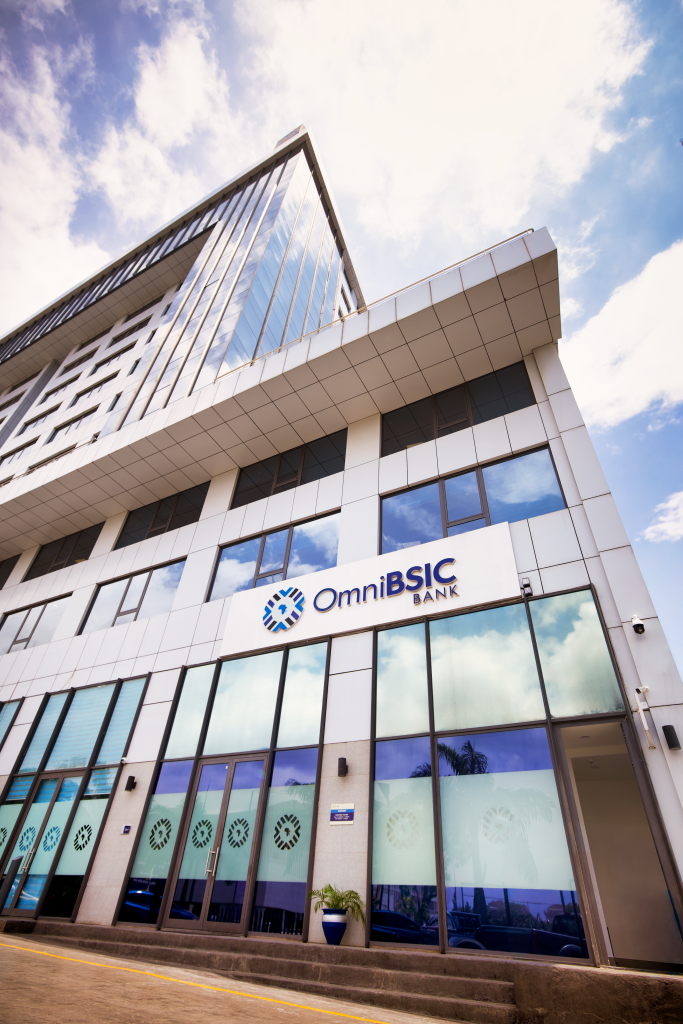
First are the strategic branch optimisations and upgrades. While the total number of branches has remained steady—currently at 40—we have taken deliberate steps to upgrade and reposition our branches for greater strategic impact. We’ve opened larger, more prominent and better-located branches that align with key commercial and high-traffic areas, enabling us to serve customers more effectively and enhance our visibility in competitive markets.
Second is the introduction of Classic Banking Lounges. As part of our enhanced customer-service offering, we introduced Classic Banking Lounges dedicated to our high-net-worth clients. These premium spaces reflect our commitment to personalised, relationship-driven banking and elevate the customer experience in line with modern expectations.
Thirdly, we have installed strategic agencies to expand our reach. In addition to our branch network, we’ve established strategic agencies in targeted areas to provide convenience and extend our services to locations where full-scale branches may not yet be present. This supports our mission to reach more Ghanaians with relevant banking solutions.
Fourth is improved financial inclusion and accessibility. Even without expanding the total number of branches, our strategic placement, improved infrastructure and diversified service channels—including digital platforms—have significantly improved accessibility. This has allowed us to play a meaningful role in deepening financial inclusion across Ghana.
Finally, our enhanced operational capacity and brand positioning are also advantageous. The merger has enabled us to combine the strengths of both legacy banks, leading to improved internal capacity, resource optimisation and better service delivery. Our brand is now stronger, more stable and better positioned to compete in Ghana’s evolving banking landscape.
You highlighted the importance of brand positioning for the bank there. In January, OmniBSIC Bank Ghana unveiled its new brand identity: Not Just Another Bank. What does this tagline say about the bank, particularly about what sets it apart from other banks in Ghana? And since launching the new tagline, do you believe it has been successful, especially in attracting new customers?
 The Not Just Another Bank tagline captures OmniBSIC’s commitment to redefining banking in Ghana by going beyond traditional expectations. It signals that we are not merely offering standard banking services, but rather delivering value through innovation, personalised service and a deep understanding of our customers’ needs.
What sets OmniBSIC apart is our focus on building meaningful relationships, leveraging digital transformation and offering tailored financial solutions that speak directly to individuals, SMEs and corporate clients alike. The tagline embodies our promise to be a proactive financial partner, one that is accessible, responsive and genuinely invested in the success of our customers.
Since launching the new brand identity in January, we’ve seen growing awareness and interest in the OmniBSIC brand. Early indicators, including increased foot traffic, customer sign-ups and positive engagement on digital platforms, suggest that the message is resonating. More importantly, it is helping to position OmniBSIC as a distinct and trusted alternative in a competitive banking landscape.
More generally, how important is the concept of brand reputation to you? Are you satisfied with the strength of the bank’s brand reputation within the local market in 2025? Also, how do you intend to continue strengthening this brand reputation going forward?
The importance of our brand reputation cannot be overemphasised; it is foundational to building trust and long-term relationships with our customers, partners and the broader community. In today’s highly competitive financial market, a strong brand reputation differentiates us and serves as a key driver for customer loyalty, acquisition and advocacy.
As of 2025, I am pleased with the bank’s brand reputation within the local market. We have established ourselves as a trusted, reliable institution known for exceptional customer service, innovative financial solutions and community engagement. However, the landscape is constantly evolving, and maintaining this reputation requires continuous effort and adaptation.
Going forward, we intend to strengthen our brand reputation by firstly, enhancing the customer experience by investing in digital platforms and improving personalised services to meet changing customer expectations.
Secondly, by demonstrating corporate social responsibility. We plan to increase our involvement in community development and sustainability initiatives to show we care beyond profits.
Thirdly, through transparency and communication—maintaining open and honest communication, especially during times of change or challenge.
Fourthly, through innovation, by continuously introducing new products and services that meet emerging needs while maintaining the highest standards of security and compliance.
Fifthly, through continued employee engagement. We empower our employees to be brand ambassadors who embody our values and commitment to excellence.
And finally, through brand enhancement. We recognise that a strong brand must be continually nurtured and must evolve to stay relevant in a dynamic marketplace. To this end, we are implementing a comprehensive brand-enhancement strategy that includes refreshed visual identity elements, consistent messaging across all channels and storytelling that highlights our impact, values and customers’ success stories. We are also increasing our presence across traditional and digital media platforms to improve brand visibility and recall.
Furthermore, we are leveraging strategic partnerships, sponsorships and flagship events—such as our highly successful quarterly Health Walks—to position OmniBSIC Bank as a vibrant, community-focused and forward-thinking institution. These efforts will not only deepen public trust but also solidify our brand as one that is modern, approachable and truly reflective of the aspirations of our customers and communities.
As you say, enhancing the customer experience through delivering consistently excellent service represents a massive component of that brand reputation. What do you see as the key factors that make the bank’s customer-relationship model superior to its competition’s? And how positively do customers view the bank’s relationship managers?
OmniBSIC’s customer-relationship model stands out because it combines personalised human support with digital convenience. Relationship managers are trained to deeply understand client needs, particularly those of SMEs and high-net-worth individuals, ensuring that solutions are relevant and timely.
This is supported by 24/7 availability through the *mobile app, USSD (788#), internet banking and call centre, which means customers can access support and services at any time. Customers consistently highlight the relationship managers’ attentiveness and the bank’s ability to simplify processes as key reasons for their satisfaction.
In early June, the bank relocated its Osu branch, again as part of its goal to enhance the customer experience. How exactly will the relocation achieve this goal? And do you think that goal is being met since the relocation?
The relocation of the Osu branch was a strategic move to reinforce OmniBSIC’s brand promise of putting customers first and delivering a superior banking experience. The new branch space has been thoughtfully designed to reflect the bank’s modern, customer-centric identity—offering enhanced accessibility, a more contemporary and inviting environment, and streamlined service areas aimed at reducing wait times.
This relocation is not just a change of address; it represents a key milestone in OmniBSIC’s ongoing branch-transformation agenda. It aligns with our branding strategy to create spaces that embody trust, efficiency and innovation. The layout integrates digital touchpoints and personalised service zones, reinforcing our commitment to a seamless blend of technology and human interaction.
Initial customer feedback has been encouraging, with many noting the improved ambience, faster service and overall comfort. These responses suggest that the bank’s goals of enhancing customer satisfaction and strengthening brand perception are indeed being met since the relocation.
 In terms of its broader geographical coverage, are you satisfied with OmniBSIC Bank’s presence across Ghana? Are there any plans to expand its footprint?
OmniBSIC Bank currently operates 40 branches across Ghana, located mostly in the regional capitals of the country. These branches support our efficient operations in key urban and semi-urban areas but limit the bank’s reach in rural and underserved regions, where physical proximity remains critical for trust and access, particularly among unbanked and less digitally active customers.
The bank has strategically invested in digital banking channels and financial-literacy initiatives to extend access beyond its physical footprint. These efforts support broader outreach, especially among SMEs and digitally active customers.
However, we have plans for possible future expansion both within Ghana and potentially beyond its borders. This signals an awareness of the current coverage gap and a forward-looking growth agenda. Given the bank’s strong financial performance and growing deposit base, it is well positioned to scale its footprint.
Finally, what do you regard as the single most important objective for OmniBSIC Bank Ghana to achieve over the next 12 to 18 months to boost financial inclusion? And what steps do you intend to take to achieve it?
Our main objective is to position OmniBSIC Bank as a digitally driven, globally connected and socially responsible institution that expands access to financial services across all customer segments locally and globally through strategic network expansion, inclusive digital innovation and strong ESG (environmental, social and governance) alignment.
The key steps needed to achieve this are:
Firstly, a strategic network expansion (locally and globally). Domestically, we will strengthen our presence in underserved areas while optimising our physical branch locations through agency banking and smart kiosks. Globally, we will establish correspondent-banking relationships and diaspora-banking solutions to serve Ghanaians abroad and support cross-border transactions. We will also expand our partnerships with global remittance providers to ensure seamless inward remittances, a key driver of financial inclusion.
Second is aggressive digitisation. We’ll scale up digital onboarding with remote KYC (know-your-customer) tools using Ghana Card or facial recognition, enhance the mobile banking experience (USSD, mobile app, WhatsApp banking) to serve tech-savvy users and those without smartphones, and introduce AI (artificial intelligence)-driven financial services, such as micro-savings, credit scoring for informal income earners and personalised financial planning.
Third is our global financial-inclusion strategy. We plan to design diaspora-focused financial products, such as investment-linked savings, real-estate mortgages and wealth-transfer solutions; collaborate with fintechs (financial technology firms) in other African markets to facilitate intra-African trade and payments under AfCFTA (African Continental Free Trade Area); and create digital channels that serve Ghanaians globally and are accessible 24/7 with global support integration.
Fourthly, ESG-driven financial inclusion. In the environmental area, we will support green-finance initiatives by offering products for clean energy, solar loans and sustainable agriculture. In the social realm, we will expand inclusive lending to women- and youth-led enterprises and promote financial literacy across schools and communities. For governance, we will ensure ethical, secure and transparent service delivery, especially on digital platforms—including data protection and cybersecurity.
And finally, data and analytics for inclusion. We’ll use data analytics and AI to identify financially excluded populations and design targeted outreach campaigns and custom products. And we’ll monitor and evaluate the social impact of inclusion strategies using ESG metrics.
I’ve enjoyed speaking with you today, Mr. Asiedu. Thank you very much for your time.